
By the Ayanex Team | Digital Marketing Agency in Plano, TX
If you’ve ever published a blog post, waited weeks, and watched it get zero traffic, you already know the real lesson of SEO: great writing doesn’t rank on its own. Keyword research is what tells you whether anyone is even searching for what you’re about to write; and it’s the single most important step you’ll take before you open a blank document.
At Ayanex, we run keyword research for clients across Plano, Dallas, and the greater DFW area every week; everything from local service businesses trying to rank for “digital marketing agency near me” to e-commerce brands chasing national traffic. This guide walks you through the exact process we use, step by step, so you can find keywords that actually bring in customers instead of just page views.
What Is Keyword Research (And Why It Matters)
Keyword research is the process of finding the exact words and phrases your potential customers type into Google when they’re looking for a product, service, or piece of information. Get it right, and every blog post, landing page, and product page you publish has a built-in audience already searching for it. Get it wrong, and you’re writing into the void.
It also shapes almost every other part of your marketing:
- Content strategy: what to write about next
- Website structure: how to organize pages and internal links
- PPC and Google Ads: which terms are worth paying for
- Local SEO: how customers in your city actually search for your business
If you’re newer to SEO, it’s worth pairing this guide with a broader look at what SEO actually involves so keyword research fits into the bigger picture.
Step 1: Get Inside Your Customer’s Head
Before touching any tool, list out the problems, questions, and products your ideal customer cares about. Think like a customer, not a business owner. A Plano bakery owner shouldn’t just think “cakes”, they should think about what a hungry, event-planning customer would actually type: “birthday cake delivery Plano TX” or “best custom cakes near Legacy West.”
Good sources for this kind of raw, honest language include:
- Sales calls and customer emails, the exact phrases people use when they ask for help
- Support tickets and FAQs, recurring questions are recurring keyword opportunities
- Reddit threads, Facebook groups, and niche forums in your industry
- Reviews on Google Business Profile and Yelp
This step produces your seed keywords; short, broad terms (2–3 words) that describe your core offerings. If you run a web design agency, seed keywords might be “web design,” “website redesign,” or “responsive website.”
Step 2: Expand Your List With a Keyword Research Tool
Once you have seed keywords, plug them into a keyword research tool to multiply your list into hundreds (or thousands) of related ideas, along with estimated monthly search volume and difficulty scores. Some solid options at different budgets:
- Free: Google Keyword Planner, Google Trends, Google Search Console (if you already have a site)
- Paid, industry-standard: Ahrefs’ Keywords Explorer, Semrush’s Keyword Magic Tool, and Mangools’ KWFinder all let you enter a seed term and instantly see related keywords, search intent, and competition level.
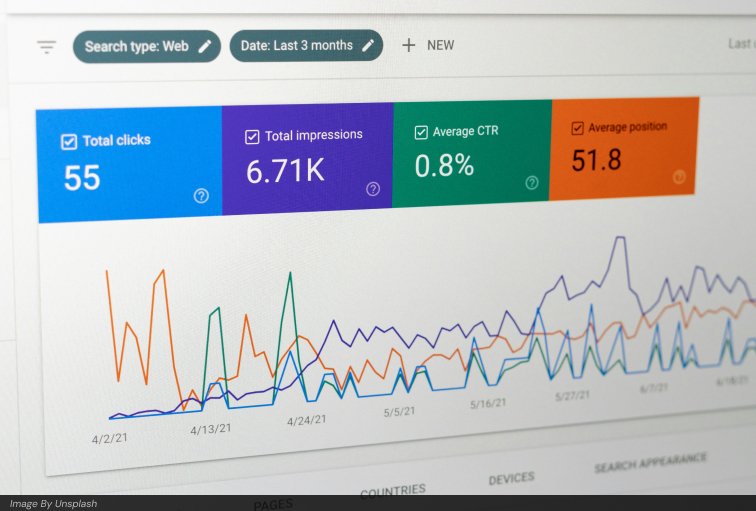
If you already have a live website, Google Search Console is worth checking first; it shows queries you’re already getting impressions for but haven’t optimized around, which are often the fastest wins available.
Step 3: Study What Your Competitors Rank For
Search Google for your seed keywords and see who shows up on page one. Then plug their website into a tool with a “competitor keywords” or “content gap” feature to see the full list of terms sending them traffic. This shortcuts months of brainstorming; your competitors have effectively done a chunk of the research for you, and you can spot the keywords they rank for that you don’t.
For a local business, this also means checking who’s ranking for “[service] + [city]” combinations; for example, “SEO agency Plano TX” or “web developer Dallas Fort Worth”; since those local modifiers often reveal gaps a national competitor analysis would miss.
Step 4: Understand Search Intent Before You Write Anything
Not every keyword deserves the same type of content. Google groups searches into four general intent categories:
| Intent | What the searcher wants | Example keyword | Best content type |
|---|---|---|---|
| Informational | To learn something | “how does SEO work” | Blog post, guide |
| Navigational | A specific brand or site | “Ayanex Plano” | Homepage, brand page |
| Commercial | To compare before buying | “best SEO agency in Texas” | Comparison guide, reviews |
| Transactional | Ready to buy or hire | “hire SEO company Plano” | Service or landing page |
Before targeting a keyword, Google it and look at what’s already ranking. If the top results are all product pages but you’re planning a blog post, the intent doesn’t match; and no amount of good writing will out-rank the mismatch. This is one of the most common (and most avoidable) keyword research mistakes we see.

Step 5: Check the Metrics That Actually Matter
Once you’ve got a shortlist, narrow it down using these core metrics:
- Search volume: the average monthly searches. Useful, but remember it’s an annual average and can hide seasonality.
- Keyword difficulty (KD): a rough estimate of how hard it’ll be to rank in the top 10, usually based on how many strong backlinks the current top-ranking pages have.
- Traffic potential: how much total traffic the current #1 page gets (a single keyword often brings in traffic from hundreds of similar phrases the page also ranks for).
- Cost per click (CPC): a useful signal of commercial value, even if you’re not running ads.
- Trend/growth: whether interest in the term is rising, flat, or declining over the past 12 months.
Don’t ignore long-tail keywords; longer, more specific phrases (3+ words) like “affordable local SEO services for small business in Plano.” They get less search volume individually, but they convert better, face less competition, and add up fast across dozens of pages.
Step 6: Group Keywords Into Topic Clusters
Instead of writing one page per keyword, group related keywords into clusters around a single topic; one broad “pillar” page supported by several narrower “cluster” articles that link back to it. For example, a pillar page on “Digital Marketing for Small Business” could be supported by cluster posts on local SEO, social media ads, and email marketing, all interlinked. This structure helps Google understand your topical authority and lets one well-written page rank for far more keywords than you actually typed into it.
Step 7: Add Location and Topic-Specific Keywords
If you serve a specific area; which most service businesses do; layering in local keywords is non-negotiable. Combine your core service terms with your city, neighborhood, or region:
- “digital marketing agency Plano TX”
- “SEO services Dallas Fort Worth”
- “web design company near Frisco / McKinney / Allen”
- “local SEO and Google Business Profile optimization Texas”
Pair location keywords with topic-related variations (synonyms, related services, and common questions) so your content naturally covers the full breadth of what someone might search; without keyword stuffing. Google’s algorithms today reward content that thoroughly covers a topic in natural language far more than content that repeats an exact phrase over and over.
If local visibility is a priority, it’s worth pairing keyword research with dedicated local SEO and Google Business Profile optimization work, since rankings for “near me” and city-based searches depend heavily on your profile and citations, not just on-page content.
Step 8: Prioritize and Build Your Content Plan
You’ll rarely have the resources to target every keyword you find, so prioritize based on:
- Business value — will ranking for this actually bring in leads or sales?
- Realistic difficulty — can your current site authority realistically compete?
- Search intent match — does the content type you’re planning fit what Google already ranks?
- Volume and trend — steady or growing demand, not a term on its way out
Map your final keyword list to a content calendar: one primary keyword (plus a handful of related long-tail terms) per page, organized into the topic clusters from Step 6.

Our Take: What Most Guides Leave Out
After years of running SEO campaigns for Texas-based and national clients, here’s what we’d add to the standard advice:
- Zero-volume keywords aren’t worthless. Tools often show “0” search volume for very specific, local, or niche phrases simply because they don’t have enough data; not because nobody searches them. If your sales team hears a phrase repeatedly, it’s worth targeting even if a tool can’t confirm the volume.
- Local intent beats generic volume. A keyword with 40 searches a month and clear local buying intent (e.g., “emergency web design fix Plano”) will often convert better than a broad national term with 5,000 searches and heavy competition.
- Revisit your keyword list quarterly. Search behavior shifts fast, especially with AI search tools now answering simple questions directly on the results page. We re-audit client keyword lists every quarter to catch new opportunities and drop terms losing momentum.
- Don’t optimize in isolation. Keyword research should connect to your broader digital marketing strategy, not live in a spreadsheet nobody looks at again.
Recommended Tools Recap
| Tool | Best for | Cost |
|---|---|---|
| Ahrefs Keywords Explorer | Deep competitive and backlink-based difficulty data | Paid |
| Semrush Keyword Magic Tool | Keyword gap analysis and AI-search visibility | Paid |
| Mangools KWFinder | Beginner-friendly interface and long-tail discovery | Freemium |
| Google Keyword Planner | Free volume ranges, good for PPC | Free |
| Google Search Console | Finding “almost ranking” opportunities on your own site | Free |
| Google Trends | Spotting seasonality and rising/declining interest | Free |
Final Thoughts
Keyword research isn’t a one-time task you check off before writing a blog post; it’s an ongoing habit that should guide your entire content and SEO strategy. Start by understanding how your customers actually talk, expand that into a full list with a proper tool, filter by intent and metrics, and never forget to layer in the local and topical keywords that match how people in your specific market search.
If you’d rather have a team handle the research, strategy, and execution for you, Ayanex offers full-service SEO, local SEO, and digital marketing support for businesses in Plano, Dallas–Fort Worth, and beyond. Get a free consultation and we’ll show you exactly which keywords are worth chasing first.
For more marketing insights, check out the rest of the Ayanex blog.
Sources referenced: Ahrefs · Semrush · Mangools
Frequently Asked Questions About Keyword Research:
What is keyword research and why is it important for SEO?
Keyword research is the process of finding and analyzing the search terms people use in search engines. It is essential because it helps you create content that matches user intent, improves rankings, drives targeted traffic, and increases the chances of converting visitors into customers.
What are the best free tools for keyword research?
Popular free tools include Google Keyword Planner, Google Search Console, Google Trends, AnswerThePublic, and Ubersuggest. These tools help you discover search volume, related keywords, competition levels, and trending topics without any cost.
How do I find long-tail keywords?
Long-tail keywords are longer, more specific phrases (usually 3+ words). You can find them by using keyword tools’ related suggestions, analyzing “People Also Ask” boxes, checking autocomplete results in Google, and reviewing competitor content for detailed, low-competition phrases.
How often should I update my keyword research?
Keyword research should be reviewed every 3–6 months, or whenever you notice changes in rankings, search trends, or your industry. Search behavior evolves, so regular updates help you stay relevant and capture new opportunities.
What is the difference between short-tail and long-tail keywords?
Short-tail keywords are broad, high-volume terms (e.g., “keyword research”) that are highly competitive. Long-tail keywords are more specific and lower-volume (e.g., “how to do keyword research for beginners”) but usually have higher conversion rates and are easier to rank for.