

Imagine walking into a high-end restaurant. The lighting is perfect, the menu is elegant, and the plates are beautiful. That is the User Interface (UI). Now, imagine that despite the beauty, the chairs are uncomfortable, the waiters are nowhere to be found, and the menu is impossible to read. That is a failed User Experience (UX).
At Ayanex, we don’t just build websites that look good; we build digital ecosystems that work. In 2026, the line between a customer staying or leaving is drawn by how well your UI and UX play together.
UI vs. UX: Breaking Down the Jargon
While often used interchangeably, UI and UX represent two distinct disciplines of digital product design.
What is UX (User Experience)?
UX is the “behind-the-scenes” architecture of a visitor’s journey. It focuses on the structural and functional aspects of your site. As defined by the Nielsen Norman Group, UX encompasses all aspects of the end-user’s interaction with the company, its services, and its products.
What is UI (User Interface)?
UI is the “skin” of the experience. It is the visual and interactive layer that users see and touch. According to the Figma Resource Library, UI design is about making the interface look beautiful while ensuring it remains functional. It involves typography, color palettes, and interactive elements.
The Core Differences: A Quick Comparison
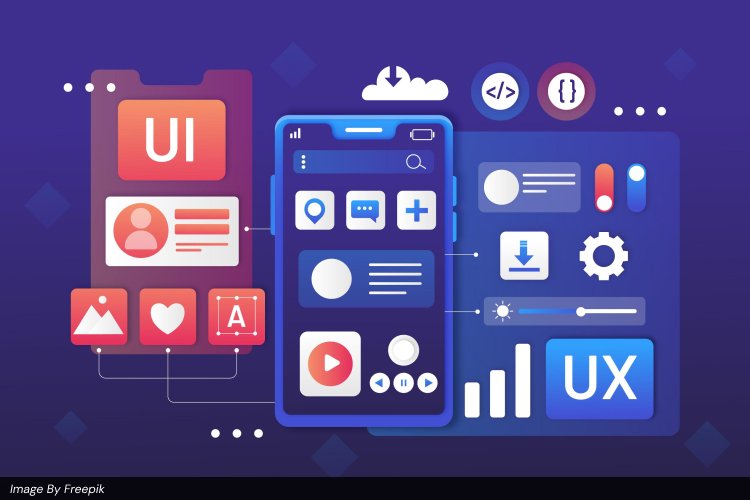
| Feature | UX (User Experience) | UI (User Interface) |
| Focus | Logic, Structure, & Feeling | Visuals, Aesthetics, & Interaction |
| Goal | Solves a problem for the user | Creates a beautiful connection |
| Output | Wireframes, User Flows, Personas | Mockups, Color Palettes, Typography |
| Key Metric | Usability & Task Completion | Visual appeal & Brand alignment |
Why the Intersection Matters for Your Business
A site with great UI but poor UX is like a luxury car with a broken engine, it looks stunning in the driveway, but it won’t take you anywhere. Conversely, great UX with poor UI is like a powerful engine in a rusted frame, it works, but nobody wants to use it.
1. Retention and Lower Bounce Rates
If your UI/UX design
is seamless, users stay longer. Google tracks “dwell time” as a ranking signal. A fast, easy-to-navigate site, which you can learn more about in our guide on Website Speed and SEO keeps people engaged.
2. Building Brand Trust
Professionalism is communicated through the eyes. A polished, modern interface builds immediate credibility. You can explore a structured path to mastering these skills through resources like the Coursera Digital Marketing Roadmap.
3. ADA Compliance and Accessibility
UX is also about inclusivity. A well-planned roadmap ensures that your site is accessible to everyone, including those using screen readers or navigating solely via keyboard. This isn’t just good ethics; it’s a standard for Legal Compliance in the modern digital age.
The Ayanex Approach: Holistic Design
At Ayanex, our design philosophy is built on the “User-First” principle. We don’t start with the colors; we start with the customer.
- Discovery: We map out the Digital Marketing Roadmap for your users.
- Wireframing: We build the skeleton (UX) to ensure the logic is bulletproof.
- Visual Design: We apply the cinematic aesthetics (UI) that make your brand stand out.
Is your website working for you or against you?
Don’t settle for a site that just “looks okay.” Let’s build a digital experience that converts. Contact Ayanex today for a free UI/UX audit and see how we can elevate your online presence.